The FBI's 2024 elder-fraud figures, the six signs a work-from-home job is a trap, and the rule that no agency will ever break: nobody real calls to demand a payment or a confirmation.
Key takeaways
- Scams rent an authority you respect and manufacture urgency; the FBI logged $4.885 billion in losses from Americans 60 and older in 2024.
- No real agency calls to demand a payment or to have you confirm a Social Security or bank number.
- Hang up and call the agency's own number, agree on a family code word, and run the two-minute check on every job listing.
You are in the age group scammers prefer, and they know more about you than they used to. The calls, texts and job ads aimed at people over 60 are built on two ingredients: an authority you respect and a deadline you did not expect.
How big is elder fraud, and how do the scams work?
The FBI’s Internet Crime Complaint Center publishes an annual Elder Fraud Report. Its 2024 edition logged $4.885 billion in reported losses from Americans 60 and older, up 43% from the year before.1 The true figure is higher, because many victims never file a report. Embarrassment keeps them quiet, which is exactly what the scammer counts on.
Every version rents authority and manufactures urgency. The caller is “the IRS” and there is a warrant. They are “Medicare” and your benefits stop today. They are “Social Security” and your number has been suspended. Or, the cruelest one, they are your grandchild, crying, in trouble, asking you not to tell anyone. That one now arrives with AI-cloned voices that sound right.
A quieter version sounds like administration: a pleasant voice with a reference number asking you to “confirm” your Social Security number, your bank details or your benefit increase so it can be processed on time. Underneath, every script says the same thing: act now, and do not talk to anyone first.
What is the one rule that defeats them?
Real institutions send letters, and they survive a call-back. If a caller claims to be from an agency, hang up, find the agency’s number yourself (on a statement, a card or the official .gov site, never from the caller), and call it. A legitimate office will not punish you for checking.
From Next Chapter Today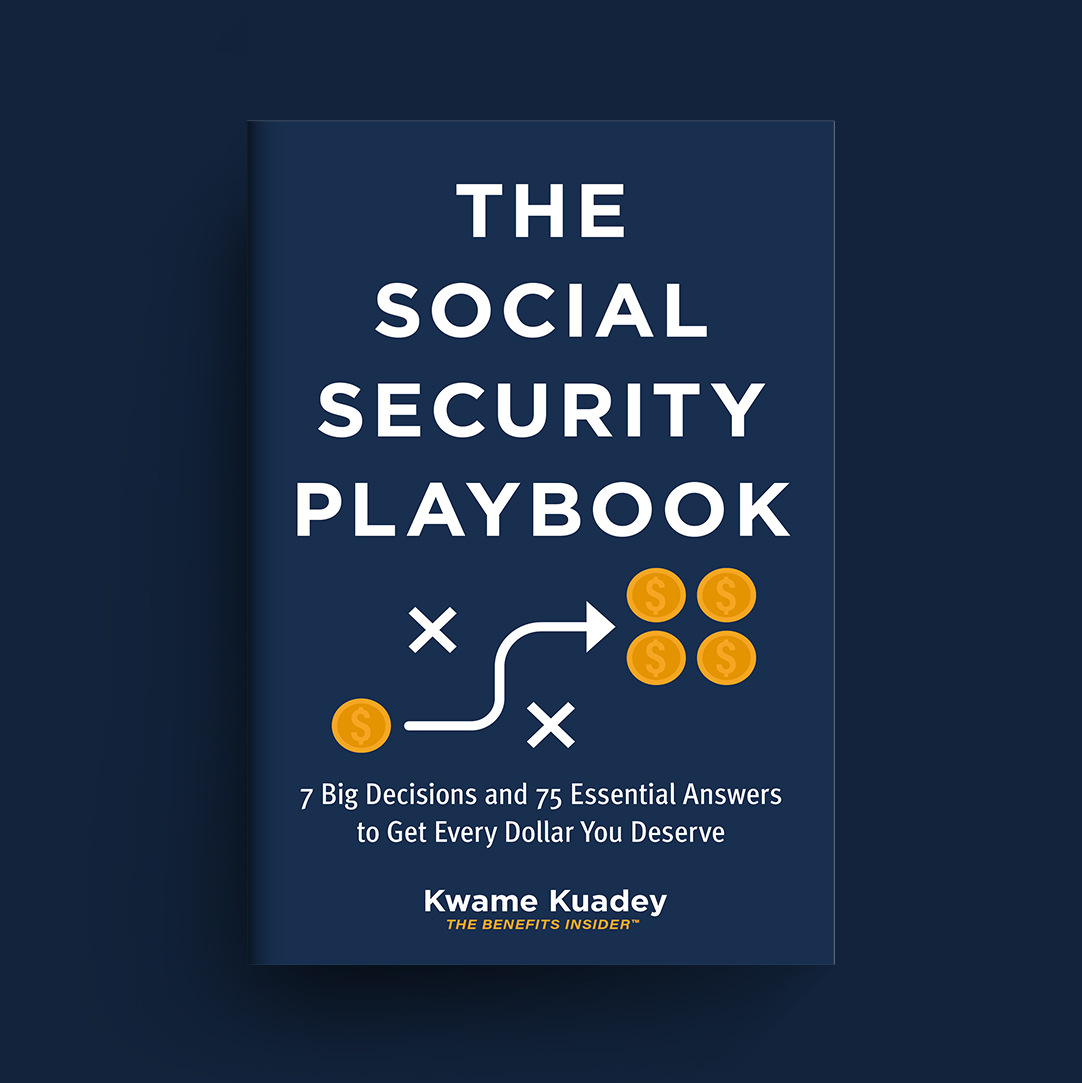 The Social Security PlaybookWhen to claim, how to protect a spouse, and the 75 questions people actually ask. By Kwame Kuadey.About the book →
How do you spot a work-from-home job scam?
The second front is the job ad. Many people over 60 are looking for a few hours of remote work, and scammers advertise in the same places. Our Extra Income From Home guide carries a STOP list. Do not continue if any one of these is true:
- They ask you to pay to get the job: for training, equipment or a “starter kit.”
- They send you a check and tell you to buy equipment or send money somewhere.
- The interview happens only over Telegram or WhatsApp with someone you cannot verify.
- They want your banking or Social Security number before you have verified the employer.
- They promise big money for almost no work.
- The “job” involves receiving and reshipping packages.
The guide’s two-minute verification works for every listing. Search the company name plus “scam” and “reviews.” Then go to the company’s own website independently, not through the link they sent, and confirm the job is posted there. If it is not, walk away.
What should you do next?
- Agree on a family code word. If a caller claims to be a relative in an emergency, they get asked for it. No word, hang up.
- Set the standing rule with your family: when in doubt, hang up and call each other. No shame attached, ever.
- Never pay anyone by gift card, wire transfer or cryptocurrency who contacted you first, and never “confirm” a Social Security or bank number to an inbound caller.
- Run the two-minute verification on every job listing before you share a single personal detail.
- Let unknown numbers go to voicemail. A real agency leaves a message or sends a letter.
- If you were contacted or lost money, report it. The FTC takes reports at reportfraud.ftc.gov, the FBI at ic3.gov, and Social Security impostors go to the SSA Office of the Inspector General at oig.ssa.gov.34 Reports are how the counts above get built, and how the next person gets warned.
- Send this to the person in your life who lives alone. The only thing that beats a professional scammer is a family that talked about it first.
Sources
- FBI Internet Crime Complaint Center — 2024 Internet Crime Report (reported losses, complainants 60 and older)
- Federal Trade Commission — Job Scams
- Federal Trade Commission — ReportFraud.ftc.gov
- Social Security Administration Office of the Inspector General — Report a Social Security scam
Verified November 7, 2026 against the sources above. Re-verify annually.

 Choosing a Medicare plan? Talk to a licensed advisor, free.Chapter compares every plan in your ZIP code and explains the trade-offs in plain English.chapter.com/insider · (539) 205-2147 →
Next Chapter Today is not a government website and is not affiliated with the Social Security Administration or any agency. This article is educational and is not individualized legal, medical, tax or financial advice. Confirm your own figures with the agency before you act.