
The earnings test, explained

One page, one rule, and the math you need to know whether it applies to you at all.
Key takeaways
- The earnings test applies only if you receive Social Security and are under full retirement age; reaching that age ends it permanently.
- In 2026 the limit is $24,480 with $1 withheld per $2 over, or $65,160 with $1 per $3 in the year you reach FRA.
- Only wages and self-employment earnings count, and the withheld months are credited back at full retirement age as a higher monthly check, not a lump sum.
Who does the earnings test apply to?
Only two things have to be true: you are receiving Social Security, and you are under full retirement age. If either is false, the earnings test does not apply to you.1
What are the two limits?
There are two different limits, and which one applies depends on the year:
- Under full retirement age all year: the 2026 limit is $24,480, and SSA withholds $1 for every $2 above it (the limit rises to $25,560 in January 2027).24
- The year you reach full retirement age: the 2026 limit is $65,160, SSA withholds $1 for every $3 above it, and only earnings in the months before the month you reach full retirement age count.1 That is your FRA month, not your birthday month: for anyone whose full retirement age is 66 and some months, the two differ. The limit rises to $67,920 in January 2027.24
Both limits rise most years with the national wage index.3 Current figures are always here.
From Next Chapter Today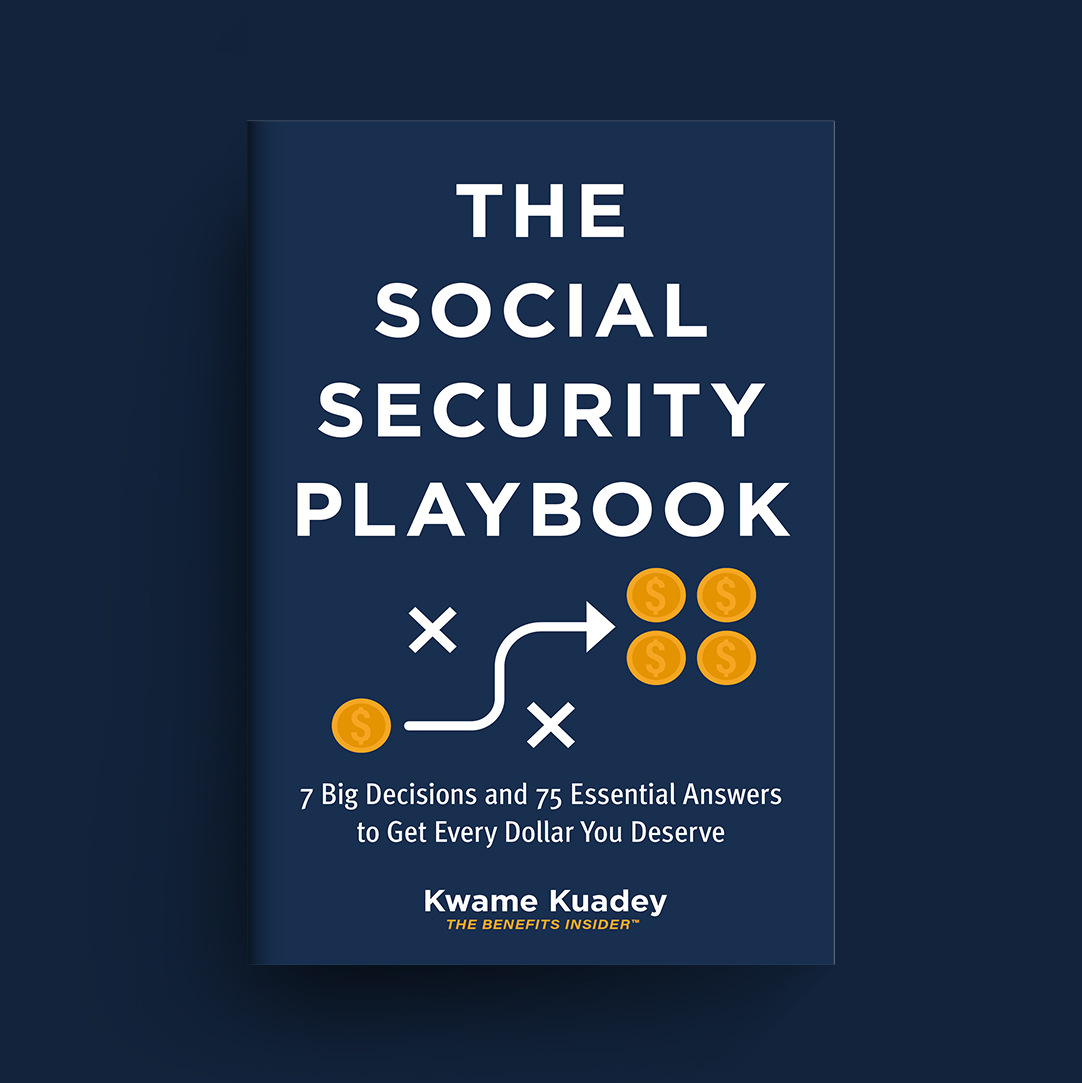 The Social Security PlaybookWhen to claim, how to protect a spouse, and the 75 questions people actually ask. By Kwame Kuadey.About the book →
How does the withholding math work?
SSA does not shave a little off each check. It typically withholds entire monthly payments until the withheld amount is covered, then resumes normal payments.
What happens at full retirement age?
SSA automatically recalculates your benefit upward to credit every month that was withheld. No form, no phone call, no request. The increase is permanent.1 It arrives as a higher monthly check, not a lump-sum refund, and how much of the withheld money you recover depends on how long you collect.
What income counts?
Counts: wages and net self-employment earnings.
Does not count: pensions, annuities, investment income, interest, dividends, capital gains, IRA and 401(k) withdrawals, and most rental income.1
Quick reference
- Under FRA all year → $24,480 limit, $1 withheld per $2 over.
- Year you reach FRA → $65,160 limit, $1 per $3 over, only the months before your FRA month count.
- At or past FRA → no limit, no withholding.
- Withheld months are credited back at FRA as a higher monthly check, not a lump sum.
Sources
- Social Security Administration — Benefits Planner: Receiving Benefits While Working ↗
- Social Security Administration — ssa.gov — 2026 COLA fact sheet
- SSA — Exempt Amounts Under the Earnings Test ↗
- Social Security Administration — 2027 Social Security Changes (COLA fact sheet) ↗
Reviewed November 7, 2026. Both earnings limits change every January. Corrections: hello@benefitsinsider.co.

The Earnings Test Cheat Sheet
One page you can print and keep: both limits, the math, what counts, and what happens at full retirement age.
 Choosing a Medicare plan? Talk to a licensed advisor, free.Chapter compares every plan in your ZIP code and explains the trade-offs in plain English.chapter.com/insider · (539) 205-2147 →
Next Chapter Today is not a government website and is not affiliated with the Social Security Administration or any agency. This article is educational and is not individualized legal, medical, tax or financial advice. Confirm your own figures with the agency before you act.