After a parent falls: what to do in the first minute, and how to prevent the next one
More than one in four adults 65 and older falls each year, according to the CDC. The right response in the first sixty seconds, and three fixes at home this weekend, change what happens next.
Key takeaways
- More than one in four Americans 65 and older falls each year, and falls are the leading cause of injury death.
- Do not pull a fallen parent up, and a parent on a blood thinner who hit their head goes to the emergency room.
- This weekend, take up the throw rugs, light the night path, install real grab bars and call the pharmacist.
Your father calls. He fell in the bathroom at 2 a.m. He says he is fine. You are already in the car.
Falls are the most common emergency an aging parent’s family will face, and the response most of us reach for, hurrying over and pulling the person up, is the one to avoid.
How common are falls among older adults?
More than one in four Americans age 65 and older falls each year, according to the Centers for Disease Control and Prevention.1 That is more than 14 million people. Falls are the leading cause of injury death in this age group. The CDC counts about 4.5 million emergency department visits from older-adult falls every year: about 3.1 million people treated and released, and about 1.4 million hospitalized.1
Being careful has little to do with it. Falls rarely happen during something reckless. They happen on the way to the bathroom in the dark, on a throw rug, on the single step down to the den.
What should you do in the first minute after a fall?
If something is broken, pulling your parent upward can turn one injury into two. Slow down and work through these in order.
- Before anyone moves, ask whether anything hurts. Look for a limb at an odd angle. Check the head for a bump or a cut.
- If your parent takes a blood thinner and hit their head, go to the emergency room. Even if they say they feel fine. Bleeding you cannot see is the danger.
- If they are truly uninjured, do not lift them. Help them get up on their own: roll onto the side, then onto hands and knees, crawl to a sturdy chair, put one foot up, rest, then rise. You steady. You do not haul.
- Tell their doctor, even if they seem fine. This is the step families skip. Falls have causes: medications, blood pressure, vision, an infection.3 A fall that is never examined usually gets a sequel.
What can you fix at home this weekend?
The fixes are simple, which is why nobody does them. Three of them take an afternoon, and the fourth is a phone call.
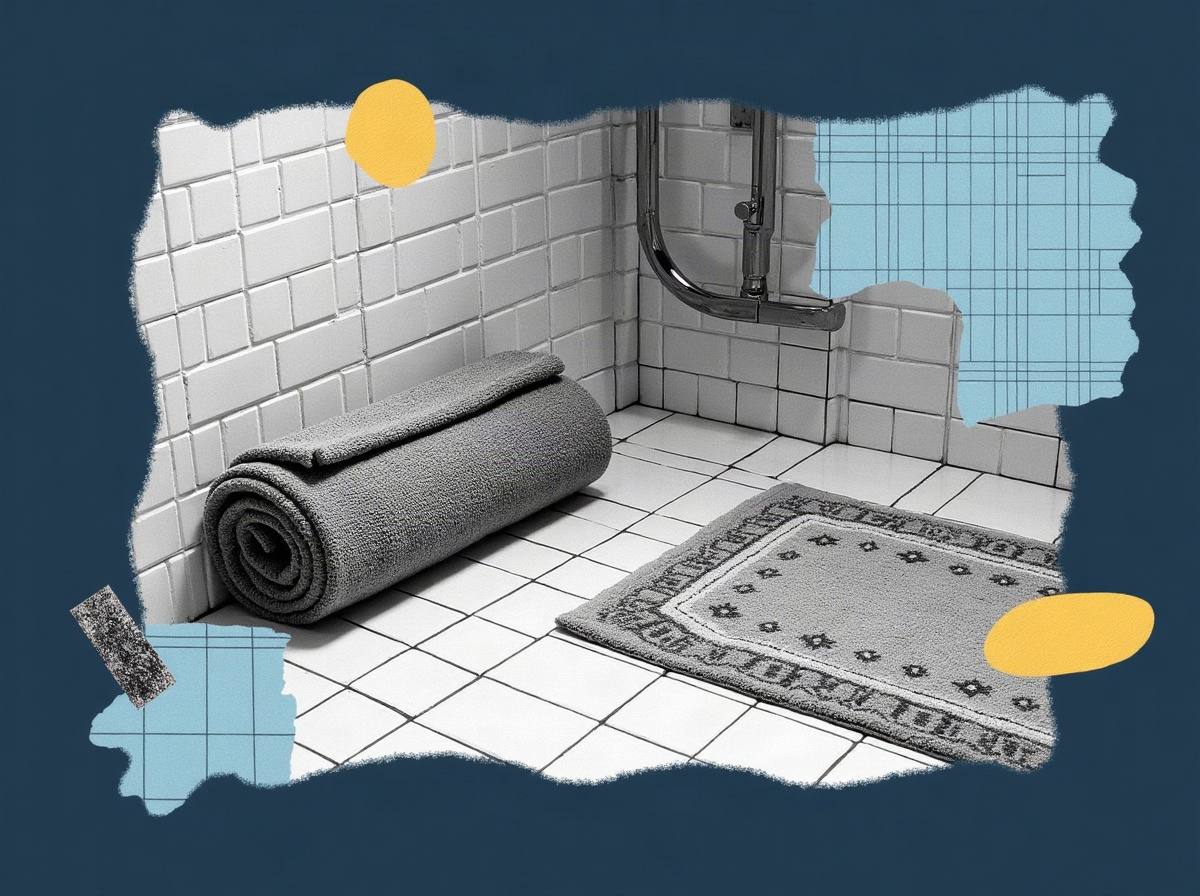
- Take up the throw rugs. Every one of them is a trip hazard. If a rug has to stay, tape it down firmly at the edges.
- Light the night path. Put motion-sensor nightlights along the route from bedroom to bathroom. That route in the dark is where the emergency room visits come from.
- Install grab bars in the shower and beside the toilet. Real ones, anchored into the wall. Towel bars and suction-cup handles will not hold a falling adult.
- Call the pharmacist. Ask whether any of your parent’s medications can cause dizziness or drowsiness, and whether any two of them interact. Taking several prescriptions raises fall risk on its own, and the pharmacist can flag the ones to discuss with the doctor.
- At the next doctor’s visit, ask for a fall check. Balance, blood pressure when standing, vision, and footwear are all things a doctor can assess in a routine appointment if you ask.
The scariest version of a fall is the one nobody witnesses, where your parent is on the floor and cannot reach a phone. If your parent lives alone, think through now how they would call for help from the bathroom floor, and make sure the answer is not “they couldn’t.”
An hour of prevention this weekend, or a hospital season later. Choose the weekend.
Sources
- Centers for Disease Control and Prevention — Older Adult Falls Data: Facts About Falls
- Centers for Disease Control and Prevention — Older Adult Fall Prevention
- National Institute on Aging — Falls and Fractures in Older Adults: Causes and Prevention
Verified November 7, 2026 against the sources above. Re-verify annually.

 The Social Security PlaybookWhen to claim, how to protect a spouse, and the 75 questions people actually ask. By Kwame Kuadey.About the book →
Next Chapter Today is not a government website and is not affiliated with the Social Security Administration or any agency. This article is educational and is not individualized legal, medical, tax or financial advice. Confirm your own figures with the agency before you act.